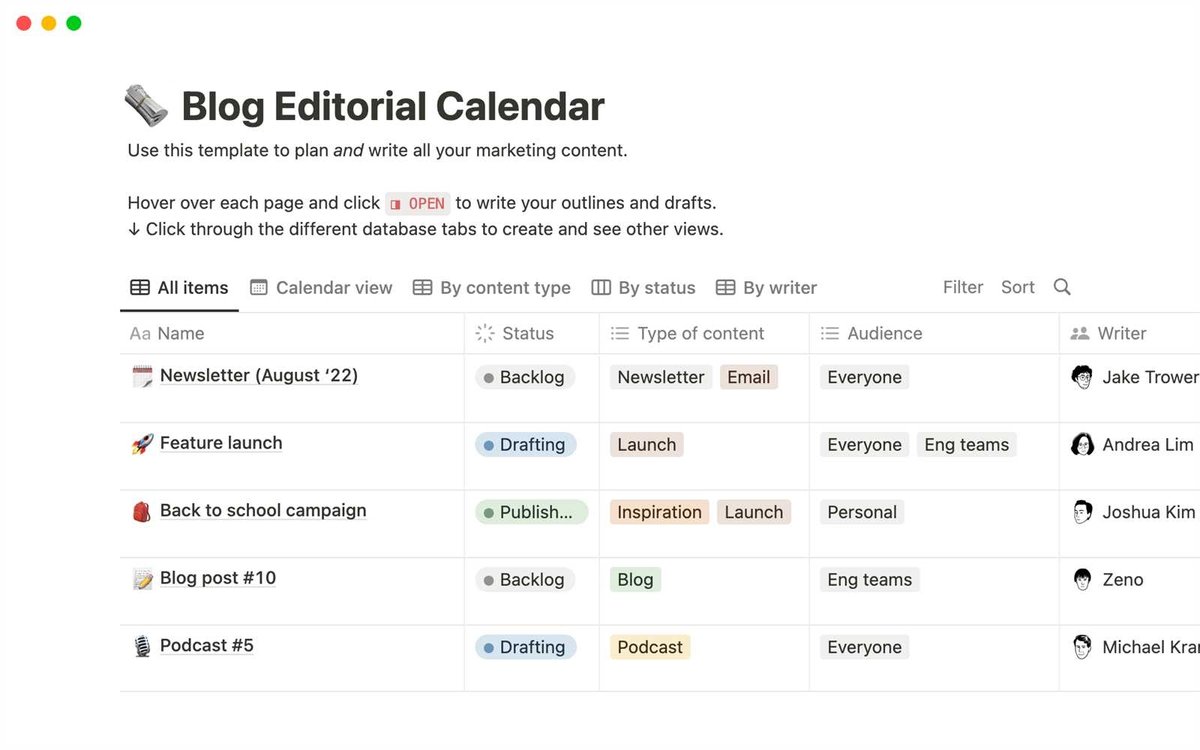
In today's clamorous digital landscape, simply creating content isn't enough. To truly break through the noise, attract, engage, and retain your audience, you need a disciplined approach: a robust content strategy & calendar development process. This isn't just about scheduling posts; it's about building a predictable, consistent content engine that fuels your growth and positions your brand as a reliable, authoritative voice.
Think of it as the blueprint and the flight plan for your entire content operation. Without it, you're flying blind, relying on guesswork and last-minute scrambles. With it, you're orchestrating a symphony of valuable content, designed to hit all the right notes at precisely the right time.
At a Glance: Your Roadmap to Content Consistency
- Strategic Blueprint: Define your goals, audience, and core themes before you create.
- Organized Workflow: Transform vague ideas into concrete, actionable tasks.
- Never Miss a Beat: Ensure a steady, predictable flow of content across all platforms.
- Smarter Time Management: Allocate resources efficiently, banishing last-minute rushes.
- Seamless Collaboration: Empower your team with clear roles, responsibilities, and shared visibility.
- Agile & Adaptable: Quickly pivot your content in response to market shifts or audience feedback.
- Measure & Optimize: See what's working (and what's not) to continuously improve your efforts.
Why a Content Calendar Isn't Just a "Nice-to-Have"—It's Non-Negotiable
Many businesses start with a burst of content enthusiasm, only to see it fizzle out. The culprit? Often, a lack of consistent planning. A content calendar isn't merely a spreadsheet; it's the operational spine of your content strategy, bringing organization, predictability, and purpose to every piece of content you produce.
Consider the common challenges most content creators face: juggling multiple platforms, struggling with writer's block, missing deadlines, or publishing a flurry of irrelevant posts. A well-developed content strategy, visualized and managed through a calendar, directly addresses these pain points.
- No More Guesswork: You move from reactive publishing to a proactive, strategic approach, knowing exactly what content is coming, when, and why. This structured planning promotes efficiency, preventing those frantic, deadline-driven emergencies that compromise quality.
- Building Trust Through Consistency: Regular, high-quality content fosters familiarity and trust with your audience. When they know they can rely on you for valuable insights, they're more likely to keep coming back, turning casual visitors into loyal followers and, eventually, customers.
- Resource Optimization: By having a bird's-eye view of your content pipeline, you can better manage your team's workload, assign tasks effectively, and identify potential bottlenecks before they become critical issues. It helps you see where you need to invest more time or resources, or where you might be over-allocating.
- Empowered Collaboration: Imagine a single source of truth where everyone on your content team—writers, editors, designers, social media managers—can see the big picture. This shared understanding minimizes miscommunication, avoids duplicate efforts, and ensures everyone is working towards the same goals, fostering a truly collaborative environment.
- Staying Ahead of the Curve: The digital world moves fast. A flexible content calendar allows you to quickly adjust to industry changes, capitalize on trending topics, or respond to shifts in customer preferences. It highlights gaps and opportunities, ensuring your content always remains relevant and timely.
- Unveiling Performance: When your content creation process is transparent, you can easily track its journey from idea to publication and beyond. This visibility is crucial for monitoring progress, identifying areas for improvement, and ultimately measuring the effectiveness of your entire content engine.
The Anatomy of an Unstoppable Content Calendar
An effective content calendar is more than just a list of dates. It's a dynamic, living document that encapsulates your strategic thinking and guides every step of your content creation journey. To truly make it a powerful tool for predictable publishing, ensure it includes these essential elements:
- Strategic Context at its Core: Your calendar needs to be anchored by strategy. This means clearly defining your target audience personas, identifying your primary content channels (blog, social media, email, video), outlining your desired publishing cadence, and establishing your brand's unique voice and tonality. Every piece of content should align with these foundational elements.
- A Thriving Content Backlog: This is your idea factory – a constantly growing library of potential content topics. Ideas can come from anywhere: audience feedback, competitor analysis, industry news, brainstorming sessions, or internal team insights. This backlog ensures you never run out of compelling things to say.
- Visible Workflow Stages: Content creation isn't linear. Your calendar should visualize the journey of each content piece through defined stages:
- Planning: Developing the content brief, outlining key messages, and identifying keywords.
- Writing: The drafting phase.
- Editing & SEO: Refining, proofreading, optimizing for search engines (keywords, meta descriptions).
- Publishing: The content goes live.
- Promoting: Sharing across various channels.
This visibility helps everyone understand progress and manage expectations.
- A Comprehensive Calendar View: Whether it's a weekly, monthly, or quarterly view, seeing your content at a glance is vital. This overview allows you to identify content types, publication dates, and opportunities for cross-promotion between different pieces or platforms.
- Clear Due and Publishing Dates: These are non-negotiable. Due dates keep your team on track, while publishing dates set expectations for your audience. They're critical for coordinating internal deadlines and external release schedules.
- Ownership Assignment: Every task, every content piece, needs a clear owner. This ensures accountability and minimizes confusion. Knowing who is responsible for writing, editing, designing, or publishing streamlines the entire process.
- Writer Workload Overview: For larger teams, visibility into individual writer capacity is invaluable. This helps you manage assignments, prevent burnout, and intervene proactively if deadlines appear to be at risk due to an unbalanced workload.
- Playbooks for Precision: Standard operating procedures, or "playbooks," formalize expectations for specific tasks. For example, a "blog post playbook" might detail formatting guidelines, SEO best practices, or approval processes. These guides ensure consistency and quality, especially as your team grows.
Crafting Your Content Engine: A Step-by-Step Playbook
Building a content calendar isn't a one-time setup; it's an ongoing process of strategic planning, meticulous execution, and continuous refinement. Here’s how to construct your own predictable publishing machine.
Phase 1: Laying the Strategic Foundation
Before you even think about dates and deadlines, you need to define why you're creating content and for whom.
- Define Your Content Marketing Goals: What do you hope to achieve with your content?
- Increase brand awareness? (e.g., more social shares, organic reach)
- Generate leads? (e.g., newsletter sign-ups, whitepaper downloads)
- Boost engagement? (e.g., comments, time on page)
- Drive sales/conversions? (e.g., product page visits, direct purchases)
Your goals will dictate the type of content you create and how you measure its success.
- Conduct a Content Audit: Look at your existing content assets. What's performing well? What's outdated? Are there gaps in your coverage? This audit reveals opportunities for repurposing content, identifying topics that resonate, and spotting areas where you can improve or expand.
- Identify Your Target Audience: Who are you talking to? Develop detailed customer personas, including their demographics, interests, pain points, aspirations, and where they consume content online. Understanding your audience is paramount; it ensures your content is relevant and valuable to them.
- Establish Core Content Themes and Types: Based on your goals and audience, categorize your content. This could include how-to guides, case studies, interviews, videos, podcasts, infographics, news analyses, or long-form articles like this one. Diversifying formats keeps your content fresh and appeals to different preferences.
- Example: If your audience struggles with "time management," a theme could be "Productivity Hacks," leading to content types like "5-Minute Focus Techniques" (blog post), "Deep Work Explained" (podcast), or "Managing Distractions" (video series).
- Determine Frequency and Timing: How often will you publish, and when? This depends on your audience's preferences, industry news cycles, seasonal trends, and—crucially—your team's capacity. Balance consistency with flexibility. It’s better to publish high-quality content less frequently than to churn out mediocre pieces daily.
Phase 2: Operationalizing Your Workflow
With your strategy in place, it's time to set up the mechanics of your content engine.
- Assign Roles and Responsibilities: Clarity is key. Define who is responsible for each stage: content ideation, brief creation, writing, editing, graphic design, SEO optimization, publishing, and promotion. For instance, a small team might have one person handle writing and initial editing, while another manages publishing and social distribution.
- Choose Your Content Calendar Tool: The right tool can make or break your content operation.
- Google Sheets or Microsoft Excel: Excellent for simple needs, offering versatility. However, they can be limited in visual organization and automation for complex workflows.
- Trello Content Calendar: Uses a Kanban-style interface (boards, lists, cards) for highly visual organization. You can assign tasks, set due dates, add labels for content types or stages, and attach files. Great for teams who prefer a drag-and-drop experience.
- Asana Content Calendar: A robust project management tool. It allows you to create tasks, assign team members, set deadlines, and track progress with various views (list, board, calendar). Ideal for managing larger projects with multiple dependencies.
- Airtable Content Calendar: A powerful, flexible hybrid of a spreadsheet and database. Highly customizable with advanced capabilities and multiple views (grid, calendar, Kanban, gallery). It excels at managing large volumes of content and external contributors, making it perfect for scaling operations.
The best choice depends on your team's size, technical comfort, and the complexity of your workflow.
- Model Your Content Creation Workflow: Map out the stages your content will pass through, from its initial idea to its final promotion. In your chosen tool, represent these stages using status fields (e.g., "Idea," "Drafting," "In Review," "Scheduled," "Published") or Kanban columns. This makes the process visible and tracks progress at a glance.
Phase 3: Launching, Learning, and Refining
Your engine is built; now it's time to fuel it, monitor it, and make sure it runs smoothly.
- Set Up Automation (Where Possible): Leverage your tool's capabilities to automate repetitive tasks. This could include setting up automatic notifications when a task status changes, sending digest emails with upcoming deadlines, or integrating with other tools (e.g., a social media scheduler). This frees up your team to focus on creative work.
- Populate Your Content Calendar: Start by blocking out your publishing cadence with placeholders (e.g., "Blog Post - Tuesday," "Video - Thursday"). Then, begin adding specific content ideas from your backlog, including publishing dates, content types, and assigned owners/writers. Aim to plan several weeks or even months in advance to maintain momentum. For instance, you might plan your Q4 content in Q3, allowing ample time for creation and approvals.
- Review, Adjust, and Update Regularly: Your content calendar is a living document, not a static artifact. Schedule regular team meetings to review progress, assess performance, and make necessary adjustments. Encourage team input and feedback—they are on the front lines and often have the best insights into what's working and what's not. This agile approach allows you to adapt to new trends or shift priorities as your business evolves.
Mastering the Flow: Best Practices for Continuous Content Success
Implementing a content strategy and calendar is the first step. Sustaining it requires discipline, flexibility, and a commitment to continuous improvement.
- Make it a Habit, Not a Chore: Regularly review and update your content calendar. This isn't just about checking off tasks; it's about assessing your content creation process for bottlenecks, ensuring alignment with evolving goals, and keeping your finger on the pulse of your audience.
- Empower Your Team: Provide playbooks and clear guidelines to codify tasks, ensuring consistency and quality. More importantly, foster a culture where team input and feedback are not just welcome but actively encouraged. The people doing the work often have the best insights into how to improve.
- Leverage Technology Wisely: Use your chosen content calendar tool to its full potential. Set reminders for deadlines, automate repetitive tasks like status updates or notifications, and explore integrations that can streamline your workflow even further.
- Listen, Measure, Adapt: Don't publish and forget. Monitor content performance using key metrics such as page views, social shares, engagement rates, and conversion rates. Gather audience feedback through comments, surveys, and direct interactions. These insights are invaluable for understanding what resonates and for refining your strategy. For example, if your "how-to guides" consistently get high engagement, plan more of them.
- Stay Agile & Informed: The digital world is ever-changing. Stay updated with industry trends, breaking news, and competitor activity. This allows you to incorporate emerging topics into your content plan, ensuring your brand remains relevant and forward-thinking.
- Regular Content Audits: Beyond the initial audit, make them a periodic practice. A quarterly or bi-annual audit helps you identify new gaps, refresh outdated content, and evaluate the overall effectiveness of your strategy against your evolving goals.
- Foster a Culture of Experimentation: Encourage your team to try new content formats, experiment with different tones, or explore unconventional distribution channels. Not every experiment will be a runaway success, but learning from them is crucial for growth and innovation.
- Revisit Your North Star: As your business evolves, so too should your content marketing goals. Regularly review these overarching objectives to ensure your content strategy remains in sync with your broader business aspirations. For more insights on building a complete strategy, you might want to Learn more about Just Create SMP.
Your Content Command Center: Choosing the Right Calendar Tool
The market offers a range of tools to manage your content calendar, each with unique strengths. Your choice will depend on your team's size, budget, and specific workflow needs.
- For the Budget-Conscious & Simple Workflows: Google Sheets or Microsoft Excel
- Pros: Free (Google Sheets), widely accessible, highly customizable for basic needs, good for managing simple lists and dates.
- Cons: Limited visualization (no Kanban boards), manual updates can be tedious, lacks built-in automation beyond basic formulas, can become unwieldy for complex workflows or large teams.
- Best For: Solo content creators, small teams with straightforward publishing schedules, or those just starting out.
- For Visual Organizers & Agile Teams: Trello Content Calendar
- Pros: Intuitive drag-and-drop interface, excellent visual organization with boards, lists, and cards, easy to assign tasks and set due dates, good for tracking content through various stages.
- Cons: Can become cluttered with too many cards or lists, less robust for deep analytical reporting, might require power-ups for advanced features.
- Best For: Teams that prefer a Kanban-style workflow, visual learners, and those managing multiple content streams simultaneously.
- For Project-Oriented & Collaborative Teams: Asana Content Calendar
- Pros: Powerful project management features, versatile task assignment and tracking, multiple views (list, board, calendar, timeline), strong collaboration tools (comments, attachments).
- Cons: Can have a steeper learning curve for beginners, some advanced features are behind a paywall, might be overkill for very small teams.
- Best For: Teams managing complex content projects with multiple stakeholders, marketing agencies, or businesses with existing Asana adoption.
- For Data-Rich & Highly Customizable Workflows: Airtable Content Calendar
- Pros: Unmatched flexibility with spreadsheet-database hybrid functionality, highly customizable views (grid, calendar, Kanban, gallery), powerful filtering and grouping options, excellent for managing large volumes of data (e.g., many external writers, diverse content assets).
- Cons: Can be more complex to set up initially, requires a good understanding of database concepts, premium features can add up.
- Best For: Content-heavy organizations, teams working with many external contributors, those needing advanced data management and integration capabilities.
Beyond the Calendar: Assembling Your Full Content Ecosystem
While the content calendar is your central nervous system, a truly successful content engine benefits from a suite of complementary marketing tools that work in harmony:
- Content Management Systems (CMS): Platforms like WordPress or HubSpot are where your content lives. They're crucial for publishing, organizing, and managing your digital assets.
- Social Media Management Tools: Tools like Buffer, Hootsuite, or Sprout Social help you schedule, publish, and analyze your content's performance across various social channels, extending its reach beyond your owned properties.
- Analytics Tools: Google Analytics, built-in platform analytics, or specialized dashboards provide the data you need to measure content performance, understand audience behavior, and refine your strategy based on actionable insights.
- Collaboration Tools: Beyond your calendar's built-in features, dedicated collaboration tools (e.g., Slack, Microsoft Teams) facilitate real-time communication, feedback loops, and quick problem-solving across your content team.
Your Next Steps: Building a Predictable Publishing Machine
Content Strategy & Calendar Development isn't just an administrative chore; it's a strategic imperative for any brand looking to establish a consistent, engaging, and growth-oriented online presence. By embracing this structured approach, you move beyond sporadic bursts of content to a well-oiled, predictable publishing machine.
Start by defining your goals, understanding your audience, and mapping out your content themes. Then, choose the right tool to visualize and manage your workflow, assign clear responsibilities, and commit to continuous review and refinement. Treat your content calendar as a dynamic, living document, always ready to adapt to new insights and opportunities.
When you invest in a robust content strategy and calendar, you're not just organizing your work; you're cultivating trust, demonstrating expertise, and building a loyal audience that keeps coming back for more. It's the blueprint for digital success, paving the way for predictable growth and a lasting brand legacy.