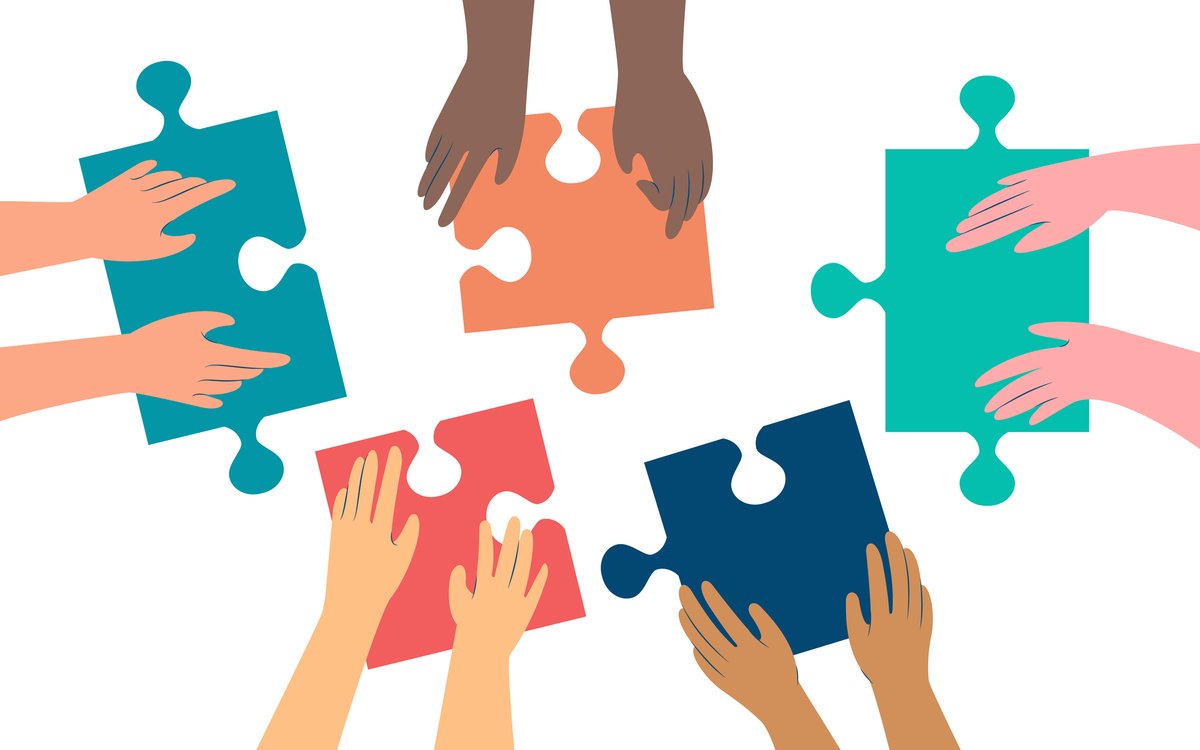
In a world increasingly connected yet often fragmented, the desire for genuine human connection remains a powerful, fundamental need. From online forums to local initiatives, we naturally gravitate towards groups that share our passions, values, or goals. This isn't just a feel-good notion; it's the very bedrock of effective action and sustainable growth. The intentional practice of Engagement & Community Building transforms casual interactions into meaningful relationships, fostering a sense of belonging that drives collective impact and builds enduring trust.
It's about moving beyond transactions to true human connections – creating spaces where people don't just participate, but truly belong.
At a Glance: Building a Thriving Community
- It's Foundational: Community building fulfills a deep human need for connection and belonging.
- It's Powerful: Drives collective action, amplifies impact, and fosters innovation through collaboration.
- It Requires Intent: Successful communities are built on shared purpose, active engagement, trust, strong leadership, and consistent effort.
- It's a Process: Follow six clear steps from defining purpose to continuous adaptation.
- It's Sustained by Engagement: Nine best practices ensure deep, two-way dialogue, inclusivity, and shared power.
- It's Measurable: Track progress and adapt your approach based on feedback and evolving needs.
Beyond Buzzwords: What is Engagement & Community Building?
At its core, community building is the deliberate act of gathering people around a shared purpose, fostering an environment where trust, mutual aid, and a profound sense of belonging flourish. Think of it as cultivating a garden, not just planting seeds. It's an ongoing commitment to nurture social relationships, grounded in the belief that people are more willing to participate, share, and work together when they feel truly connected and valued.
Whether formed around a niche hobby, a professional aspiration, a social cause, or a specific brand, a true community is defined by its members' willingness to contribute and their shared investment in its collective success. Engagement, then, is the lifeblood of this community – the active participation, interaction, and two-way dialogue that keeps connections vibrant and purpose-driven.
The Indispensable Value: Why Community Building Matters More Than Ever
In an age of constant noise, a strong community stands out as an anchor of authenticity and shared purpose. Its importance ripples across every domain, from personal well-being to business strategy:
Fulfilling the Human Need for Belonging
Humans are inherently social creatures. Communities provide a vital antidote to isolation, offering a space where individuals can find identity, support, and understanding. This sense of belonging is a powerful motivator, encouraging loyalty and deeper involvement.
Driving Collective Action and Amplifying Impact
When individuals unite around a common goal, their combined efforts far surpass what any single person could achieve. A robust community can mobilize resources, amplify voices, and drive meaningful change, whether it's for a social cause, a business objective, or the growth of a brand.
Encouraging Collaboration, Learning, and Innovation
Communities become fertile ground for idea exchange. They facilitate knowledge sharing, mentorship, and collaborative problem-solving, driving individual and group growth. Members learn from each other's experiences, sparking new insights and innovative solutions.
Building Unshakeable Trust and Loyalty
When people feel valued, heard, and connected within a group, they develop profound loyalty. This trust extends not only to fellow members but also to the underlying idea, organization, or brand that facilitates the community. This loyalty is resilient, often outlasting marketing campaigns or fleeting trends.
Building Blocks of Belonging: Key Elements for a Thriving Community
Creating a community isn't accidental; it's an art built on specific, well-understood principles. Neglect these, and your efforts may fall flat. Nurture them, and you'll create a vibrant, self-sustaining ecosystem.
- A Clear, Shared Purpose: This is the North Star. A unifying reason for people to come together – be it a shared love for vintage cars, a mission to end food waste, or a professional goal to master data science. Without a clear "why," a group lacks direction and cohesion.
- Consistent Engagement and Interaction: A community isn't a static repository of information; it's a dynamic hub of activity. Opportunities for members to interact, share stories, ask questions, give feedback, and collaborate are crucial. Active participation breathes life into the group.
- An Atmosphere of Trust and Inclusivity: Members must feel safe to express themselves without fear of judgment. This requires intentional effort to foster an environment where diverse perspectives are welcomed, respected, and every voice is valued equally.
- Thoughtful Leadership and Facilitation: While communities can become self-sustaining, they rarely start that way. Strong leaders or facilitators are essential to guide discussions, set norms, resolve conflicts, and steer the group toward its shared vision, providing necessary structure without stifling spontaneity.
- Commitment and Consistency: Building a community is a marathon, not a sprint. It demands regular communication, consistent events or touchpoints, and a continuous dedication to nurturing relationships. Long-term success hinges on showing up, repeatedly.
Your Roadmap to Connection: How to Build a Community, Step-by-Step
Ready to move from theory to action? This six-step blueprint provides a practical framework for creating your own thriving community, whether online, offline, or a blend of both.
1. Define Your Purpose and Vision
Before you gather anyone, articulate why this community needs to exist. What problem does it solve? What shared aspiration does it fulfill?
- Action: Clearly document your community's core goals, its mission, and the specific benefits members will gain. This clarity will be your guiding light.
2. Identify Your Ideal Audience
Who are you building this for? Understanding your target members – their demographics, interests, pain points, and aspirations – is paramount.
- Action: Create detailed member personas. What platforms do they use? What kind of content resonates with them? This insight will inform every subsequent decision, from platform choice to content strategy.
3. Choose the Right Platform (or Space)
The venue matters. The best platform aligns with your desired culture and interaction types.
- Examples: Facebook Groups for broad reach and casual conversation, Slack for real-time professional collaboration, Discord for gaming or specific interests, dedicated forums for deep dives, or physical spaces for face-to-face networking.
- Action: Research platforms based on your audience and purpose. Consider features like moderation tools, event capabilities, and ease of use.
4. Ignite and Encourage Member Participation
A community only lives if its members are active. Go beyond simply inviting people; create compelling reasons to engage.
- Action: Start with icebreaker challenges, thought-provoking discussion prompts, and opportunities for members to share their stories or expertise. Actively recognize and celebrate contributors to foster a positive feedback loop.
5. Consistently Create Genuine Value
A community isn't just about presence; it's about provision. What unique value are you offering?
- Action: Provide curated content, exclusive learning opportunities, networking connections, collaborative projects, or unique benefits. This could be workshops, expert Q&As, or even just a safe space for support. Remember, if you're looking for comprehensive strategies that integrate all aspects of digital presence, it's worth taking time to Explore Just Create SMP for a broader understanding of how all these pieces fit together.
6. Evaluate, Listen, and Adapt
Communities are living entities; they evolve. What works today might need tweaking tomorrow.
- Action: Continuously track engagement metrics (active users, posts, comments), solicit feedback through surveys or direct conversations, and be prepared to adapt your approach, rules, or even your platform as the community grows and changes.
The Engine of Growth: 9 Best Practices for Community Engagement
Building the framework is one thing; keeping the engine running is another. Community engagement isn't just about attracting members; it's about sustaining meaningful two-way dialogue that fosters trust, inclusivity, and shared ownership. These nine best practices are the bedrock of projects, relationships, and genuine impact.
1. Active Listening and Two-Way Communication
Beyond hearing, active listening is about understanding. It means creating structured, intentional opportunities for community members to provide input, express needs, and receive transparent responses.
- How to Implement:
- Establish diverse feedback mechanisms: surveys, town halls (both online and in-person), suggestion boxes, dedicated email addresses.
- Train your team in active listening techniques, ensuring they paraphrase, ask clarifying questions, and validate feelings.
- Crucially, create a transparent feedback loop: communicate clearly how input was considered and how it influenced decisions, even if their exact suggestion wasn't adopted.
2. Inclusive and Accessible Participation
Engagement efforts fall short if significant segments of your community are excluded. This practice actively removes barriers – linguistic, physical, economic, or cultural – to ensure every voice is not only heard but valued equally.
- How to Implement:
- Partner with trusted community leaders or organizations who understand local nuances and can help reach underserved groups.
- Offer multiple participation formats: hold meetings at varying times/locations, provide childcare or transport stipends, offer online alternatives, and translate materials.
- Consider compensating community members for their time and expertise when they contribute significantly to planning or decision-making.
3. Transparency and Accountability
Openness builds trust. This involves clear, honest communication about processes, decisions, and outcomes, coupled with explicit mechanisms that hold the organizing body responsible for its commitments.
- How to Implement:
- Establish clear communication protocols for updates, decisions, and challenges.
- Use plain language and visual aids to make complex information accessible.
- Adhere to reporting schedules, sharing progress (and setbacks) regularly.
- When mistakes happen, admit them quickly, explain what went wrong, and outline corrective actions.
4. Early and Continuous Engagement
Don't wait until decisions are final. Integrating community voices from the very inception of a project and maintaining dialogue throughout its entire lifecycle ensures greater buy-in and more relevant outcomes.
- How to Implement:
- Map out all stakeholders early in the project planning phase.
- Create an engagement calendar that schedules community input at critical junctures.
- Start with small, achievable wins where community input has an immediate and visible impact to build confidence and demonstrate value.
- Document and share how early input influenced the project's direction.
5. Cultural Competency and Local Context Awareness
Every community has a unique cultural, historical, and social fabric. Deeply understanding and respecting these nuances – including values, traditions, and power dynamics – is vital for authentic engagement.
- How to Implement:
- Invest time and resources in learning the community's history, cultural norms, and existing social structures.
- Train staff in cultural humility, recognizing and addressing their own biases.
- Build a team that reflects the demographics and cultural diversity of the community you serve.
- Acknowledge past institutional failures or harms to begin rebuilding trust.
6. Collaborative Decision-Making and Co-Creation
True engagement means sharing power. This practice transforms community members into genuine partners, actively involved in designing, implementing, and even governing solutions, recognizing their invaluable local expertise.
- How to Implement:
- Start with low-risk decisions to build capacity and trust for more complex co-creation efforts.
- Provide training and support to emerging community leaders, empowering them with the skills needed for collaborative work.
- Establish clear agreements outlining roles, responsibilities, and decision-making authority.
- Celebrate successes collectively and treat challenges as shared learning opportunities.
7. Multi-Channel Communication Strategy
One size rarely fits all. A robust engagement strategy uses diverse platforms to reach different community segments where they are most active, acknowledging varied information access and preferences.
- How to Implement:
- Survey your community to understand their preferred communication methods (e.g., social media, email, print newsletters, local radio).
- Develop consistent core messaging adapted to suit each platform's format and audience.
- Track engagement metrics across channels to refine your strategy and allocate resources effectively.
- Empower community ambassadors to share information through their own trusted networks.
8. Capacity Building and Skill Development
Sustainable communities are self-sufficient. This practice focuses on strengthening the inherent abilities within a community, equipping members with the tools, knowledge, and confidence to lead their own initiatives and address their own challenges.
- How to Implement:
- Assess existing community assets and build upon them rather than starting from scratch.
- Provide diverse learning formats: workshops, mentoring programs, peer-to-peer learning.
- Create immediate opportunities for members to apply new skills on real-world projects within the community.
- Recognize and celebrate individual and collective growth and achievements.
9. Continuous Evaluation and Adaptive Management
Engagement is an iterative process. This final practice involves systematically assessing the effectiveness of your strategies and adjusting based on real-time feedback, measurable outcomes, and evolving community dynamics.
- How to Implement:
- Integrate evaluation into project design from the outset, with clear goals and Key Performance Indicators (KPIs).
- Use mixed methods: quantitative data (e.g., participation numbers) and qualitative data (e.g., interviews, focus groups).
- Establish a clear feedback loop to share evaluation results with the community and demonstrate how their input leads to changes and improvements.
Real-World Resonance: Communities in Action
These principles aren't just theoretical; they're at work, powering successful communities across the globe:
- Reddit's Subreddits: A prime example of shared purpose driving topic-specific communities. Users self-organize, moderate, and generate content, creating highly engaged niches from "AskScience" to "AmItheAsshole."
- The LEGO Ideas Community: Engages fans directly in product development. Members submit ideas, vote on others, and can even see their creations become official LEGO sets, showcasing collaborative decision-making and value creation.
- Bumble's Hive Events: Beyond its dating app function, Bumble uses "Hive Events" to facilitate professional networking and women-specific initiatives, building community around shared aspirations and personal growth.
Your Next Steps: Turning Insight into Impact
The journey of Engagement & Community Building is ongoing, but immensely rewarding. It’s a commitment to resilience, equity, and shared ownership, leading to more effective and sustainable outcomes for everyone involved. Ready to deepen your connections and amplify your impact?
- Conduct a Self-Assessment: Take stock of your current efforts. On a scale of 1 to 5, how well does your organization or initiative embody each of the nine best practices for community engagement? Be honest. This exercise will illuminate your strengths and identify critical growth opportunities.
- Prioritize One or Two Areas: Don't try to overhaul everything at once. Based on your assessment, select one or two principles where you see the greatest need or potential for impact in the next quarter.
- Create a Micro-Action Plan: For each prioritized area, define three small, concrete actions you can take within the next 30 days.
- Example for Transparency: "Publish a simplified budget summary online," "Create a public dashboard for project milestones," or "Host a casual online Q&A session to answer community questions about recent decisions."
- Example for Inclusive Participation: "Reach out to one underrepresented group to understand their preferred communication method," "Translate a key document into a second language relevant to your community," or "Offer an alternative meeting time to accommodate different schedules."
Remember, authentic engagement isn't a checkbox; it's a continuous investment in the people who make your purpose possible. By intentionally fostering these connections, you don't just build a group; you build a movement.